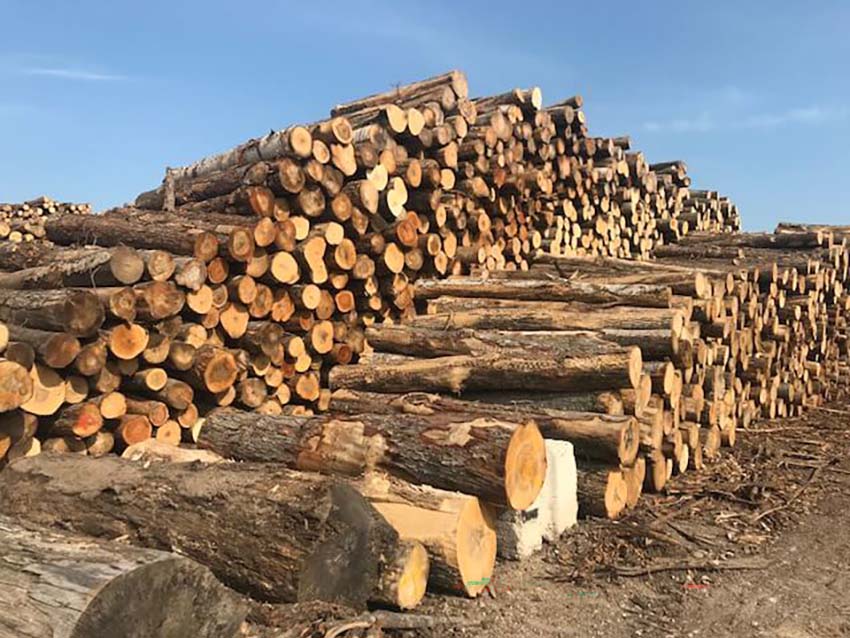
At first glance, managing your own firewood at a campground seems like a smart operational choice. You’ve got land, access to wood, and staff on site. It feels like something you should be able to control in-house without much issue.
And in some cases, that’s partly true. But for most campgrounds, the real cost of DIY firewood shows up slowly over the season: in labour, equipment, space, and consistency.
That said, firewood quality plays a bigger role in guest experience than many operators realize. Kiln-dried firewood, for example, burns more consistently and is often preferred where it’s available. Not every campground has access to that level of supply. If you want to go a bit deeper on that side of things, you can read our article titled “Why Campgrounds and Parks Require Certified Firewood.”
Where DIY firewood starts to cost more than expected
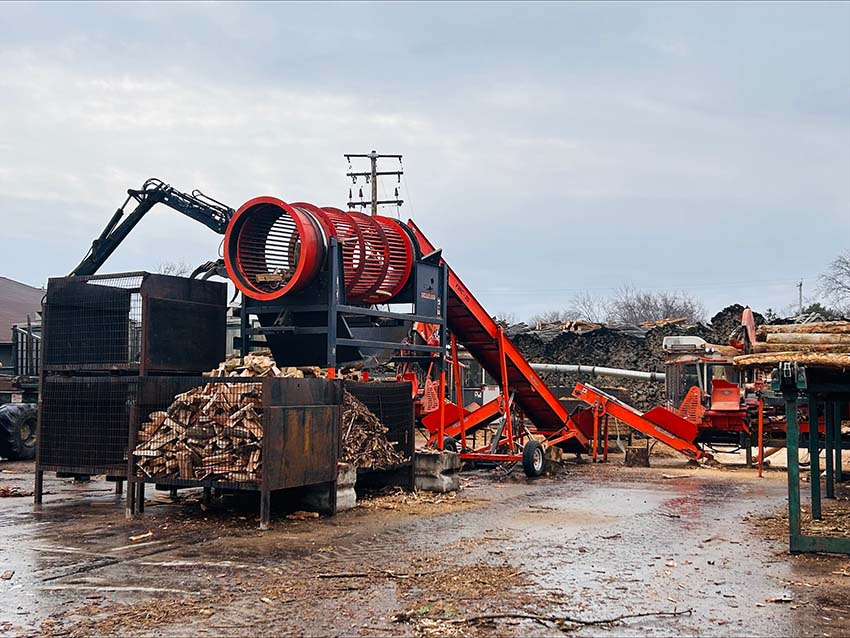
Firewood rarely stays a small side task. It tends to become an ongoing cycle of cutting, splitting, bundling, stacking, and restocking, especially during peak weekends when demand spikes.
What often gets overlooked is how much staff time gets absorbed into it. Instead of focusing on guest experience or maintenance, teams end up managing firewood just to keep up.
There’s also the operational side: equipment maintenance, fuel, breakdowns, and storage space. What starts as “using available wood” often turns into a system that needs constant attention to keep running smoothly.
And when quality isn’t consistent, whether due to moisture content or uneven processing, campers notice quickly. Hard-to-light fires or smoky burns tend to show up in reviews more than most operators expect.
When DIY firewood actually does make sense
That said, there are situations where managing some of your own firewood can work well.
It tends to make sense when a campground has:
- A larger, well-structured team
- Dedicated staff for land or forest management
- Ongoing clearing of trees or natural wood as part of maintenance
- The ability to process wood on quieter days rather than under pressure
In those setups, firewood becomes more of a byproduct of land management rather than a primary operational task. If that wood is already being cleared, it can absolutely make sense to process and use it.
The key difference is control and timing. When firewood is treated as a flexible, secondary task rather than something that competes with guest operations, it can work.
Many of those campgrounds still supplement their firewood supply, so they’re not relying entirely on internal production, especially during peak demand periods.
The Bigger Tradeoff Most Operators Run Into
For most campgrounds, the real issue isn’t the wood itself; it’s the opportunity cost.
Every hour spent processing firewood is an hour not spent improving sites, servicing guests, or focusing on the parts of the business that directly affect experience and revenue.
That’s why many operators eventually shift toward a hybrid or fully supplied model. It simplifies operations while keeping consistency high.
A More Flexible Approach Many Campgrounds Are Using
Rather than fully committing to DIY or fully outsourcing, a lot of campgrounds are moving toward a blended approach:
- Using internally cleared wood where it makes sense
- Supplementing with a consistent supplier during busy periods
- Reducing pressure on staff during peak weekends
- Keeping firewood quality and availability consistent for guests
This approach keeps the benefits of using on-site resources without letting it become a full operational burden.
Swedish Torch Logs as a Simple Add-on
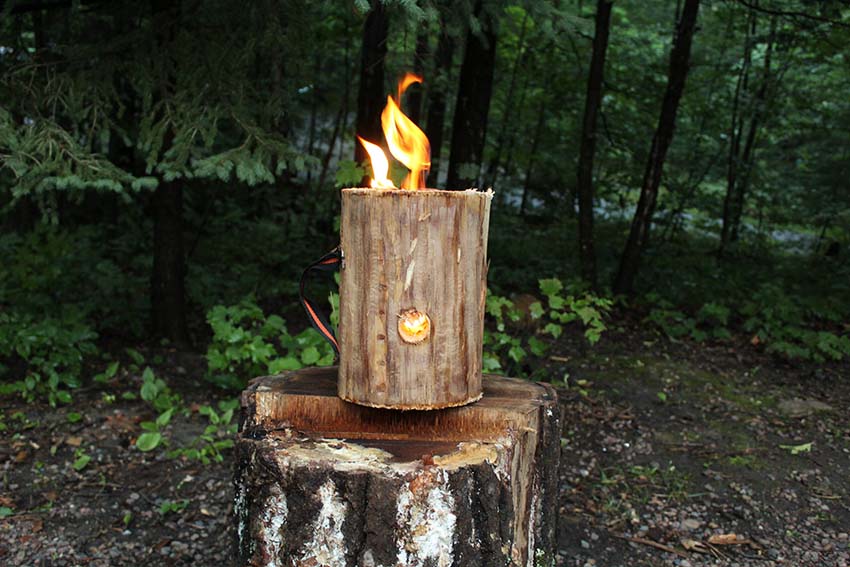
One reason Swedish Torch Logs are gaining popularity at campgrounds is their simplicity and appeal to a wider range of campers, especially families, casual campers, and parents looking for an easier campfire experience.
They’re simple for guests to use, which matters a lot for families, especially parents who don’t want to spend the first hour of the evening struggling to get a fire going while the kids are waiting. Swedish torch logs light easily, burn steadily, and create a contained, reliable flame that feels a bit more “set it and relax.”
For campgrounds, they also don’t add extra work for staff or complicate operations, making them a straightforward way to improve the overall campfire experience without adding pressure behind the scenes.
Final thought on DIY Firewood
DIY firewood isn’t inherently good or bad; it depends on how your campground is structured. If it’s tied into land management and handled by dedicated staff during quiet periods, it can absolutely work. But if it starts pulling attention away from the guest’s experience or creating inconsistency, that’s usually where the costs start to outweigh the benefits.
For many operators, the best setup ends up being a balance between using what’s on-site and relying on a consistent firewood supplier when demand is high. If you’re preparing for the upcoming camping season and are looking for a firewood supplier or want to purchase our Bonfire Boss Swedish Torch, contact our team at 920-833-7839 to request pricing, secure inventory, and learn how we can support your campground. You can also send us a message on our contact page to inquire about bulk orders of our firewood or Swedish Torch.