
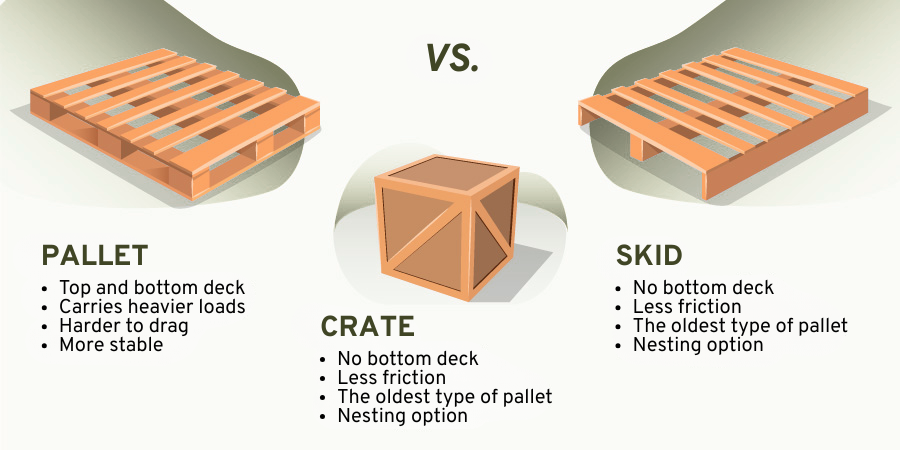
Pallets vs. Skids vs. Crates: What’s the Best Option?
When it comes to shipping, storage, and material handling, choosing the right base or container can greatly impact efficiency, safety, and cost. Pallets are standardized and designed for precise, efficient handling, making it easy to move, stack, and organize products reliably. Skids provide added support for heavier items but don’t offer the same versatility as pallets. Crates, meanwhile, ensure delicate or valuable goods stay fully protected.
At Performance Pallet, we help businesses select the best option for their specific needs—whether that’s standardized pallets for high-volume logistics, durable skids for industrial equipment, or custom crates for fragile shipments. Understanding the differences between these options ensures your goods are transported safely, handled efficiently, and stored effectively.
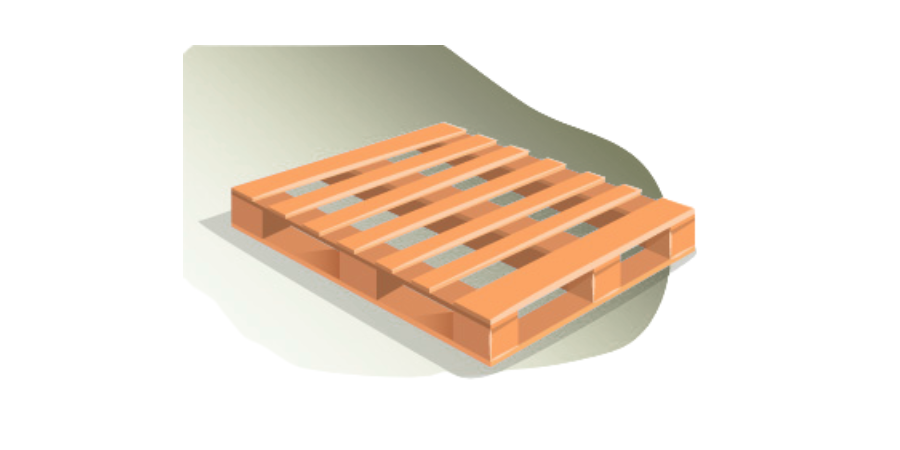
Pallets: Purpose & Benefits
What is a Pallet?
A pallet is a flat, stable platform that is typically made of wood, or sometimes plastic or metal, used to support goods during storage or transportation. A pallet is a two-deck platform built with a top deck, bottom deck, and internal support blocks or stringers that hold the structure together. This two-layer design is what makes pallets stronger and more stable than skids, allowing them to carry heavier loads and perform better in most shipping and warehousing environments. For a detailed look at the history and evolution of pallets, see this comprehensive reference.
Common Uses for Wooden Pallets: Ideal for general shipping, warehousing, and storage where items need to be stacked, moved efficiently with a forklift or pallet jack, and stored in racking systems. Standardized sizes (like 48×40) also make pallets easy to integrate into automated handling or high-volume logistics environments.
Advantages of Pallets:
- Highly durable and reusable
- Compatible with forklifts and pallet jacks
- Standardized sizes (such as 48″×40″) make them easy to stack and transport
- Many pallets can be heat-treated for international export compliance.
Disadvantages of Pallets:
- Can be bulky when not in use
- May require maintenance or occasional repair, especially if wood pallets are exposed to moisture or heavy loads
Pallets are Ideal for:
Pallets are ideal for bulk or modular goods, making them perfect for products that can be stacked or grouped together for easy movement. They streamline shipping and warehouse operations with standardized sizes, forklift mobility, and secure stacking. Unlike skids or crates, pallets are optimized for fast loading, storage in racking systems, and repeated handling in logistics.
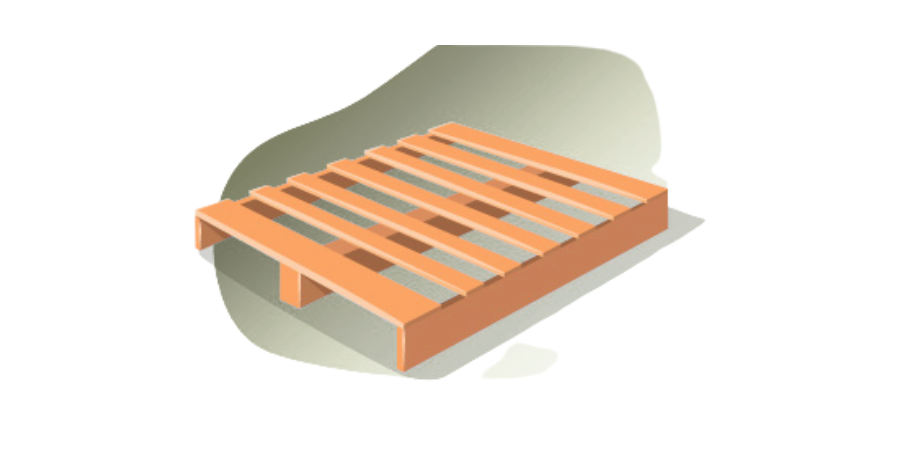
Skids: Purpose & Benefits
What is a Skid?
Skids are essentially the predecessor to the modern pallet. They are a single-deck platform supported by a series of runners underneath, so they lack the bottom deck that pallets provide. Think of them as a sled-style base rather than a full two-deck platform.
Common Uses for wooden Skids:
Skids are commonly used for transporting heavy machinery, industrial equipment, and oversized items that don’t require frequent handling. They are often chosen for temporary storage or short-distance internal movement within manufacturing plants, machine shops, or other industrial facilities, where loads can be dragged or positioned without multi-directional forklift access. Skids also serve as stable, long-term bases for equipment that will remain in one place once delivered, making them ideal for heavy-duty applications with minimal ongoing mobility.
Advantages of Skids:
- Lower profile than a full pallet, which can reduce shipping or storage height
- Easy to drag or slide across floors in some cases
- Typically, it is less expensive to build (fewer materials, simpler design)
Disadvantages of Skids:
- Less stable when stacking compared to full pallets
- Not as compatible for forklifts from multiple sides (fork access may be limited)
- Offers less protection for goods, because bottom deck is missing, the base may be less rigid
Skids are Ideal for:
Skids are ideal for static or heavy loads where cost, low profile, and minimal movement are the primary concerns. They are commonly favored in industrial warehouses, aerospace facilities, manufacturing plants, machine shops, fabrication environments, and other settings where equipment is placed once and rarely relocated. Skids work especially well for large, oversized, or durable items that don’t require frequent handling or multi-directional forklift access.
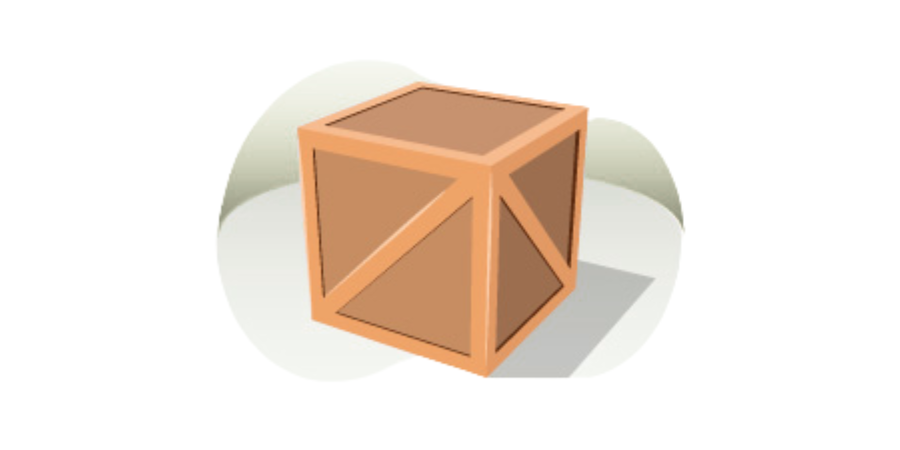
Crates: Purpose & Benefits
What is a Crate?
Crates are enclosed or partially enclosed containers typically constructed from wood, though other materials are possible. They are designed to provide protection for high-value, fragile, or uniquely shaped goods during shipping and handling.
Common Uses for wooden crates:
Crates are commonly used for international shipping of fragile, expensive, or uniquely shaped products, such as aerospace components, medical equipment, artwork, electronics, and precision machinery. They’re ideal for shipments that require maximum protection from impact, moisture, or theft, especially during long-haul or overseas transport. Crates are also widely used when goods need custom-fit packaging to stay immobilized and secure throughout the entire shipping cycle.
Advantages of Crates:
- Provides superior protection from impact, moisture, and environmental damage
- Can be customized to fit nearly any shape or size
- Can often be reused or repurposed
Disadvantages of Crates:
- Heavier and bulkier than pallets or skids, so higher shipping cost, more material
- More expensive due to the additional material, labor and often customization involved
- Typically, not as stackable unless specifically designed for stacking.
Crates are Ideal for:
Crates are ideal for fragile, high-value, or oversized goods that require maximum protection during domestic or international transit. They’re favored in industries such as aerospace, medical device manufacturing, industrial machinery, fine art logistics, and electronics, or any environment where safeguarding the product is more important than speed or ease of handling.
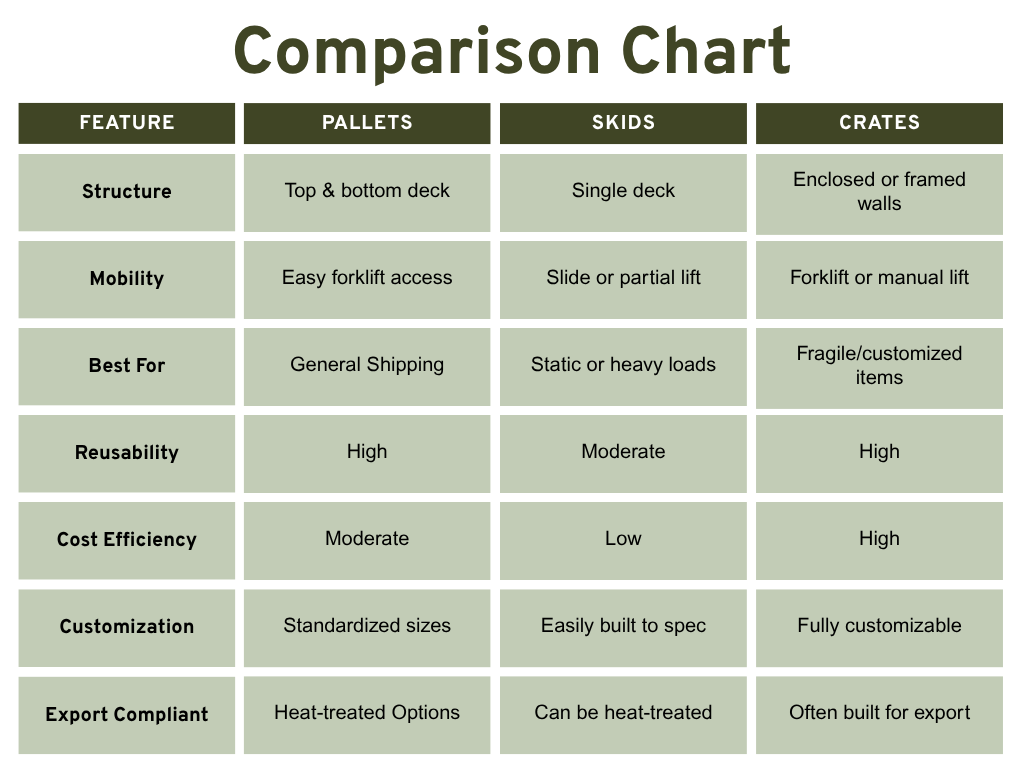
Side-by-Side Comparison: Pallets, Skids & Crates
Here’s a simplified comparison of the three options:
How to Choose Between Pallets, Skids, and Crates
Choosing between pallets, skids, and crates comes down to your specific shipping needs, budget, and operational logistics. Some questions you should ask yourself, and we help our customers walk through these, include:
- Are you shipping products that require protection or just mobility?
- Do your shipments need to be stackable?
- Will your goods travel internationally or remain local?
- Is ease of handling more important than maximum protection?
- What are your material reuse and recycling goals, especially given our Sustainability and recycling focus at Performance Pallet?
At Performance Pallet, we manufacture, deliver and recycle all three options, pallets, skids, and crates, built to meet your needs with sustainability and cost-efficiency in mind. We help you find the right solution to your load, your logistics flow, and your budget.
Get Expert Help Selecting the Best Pallet, Skid, or Crate
The wrong shipping platform can lead to damaged products, inefficiencies, and added costs. That’s why we encourage you to let us at Performance Pallet help with custom audits and consultations to determine what works best for your operation.
Whether you’re moving standard merchandise, heavy machinery, fragile items, or exporting internationally, the right packaging base makes a difference.
Request A Quote today or contact us for a custom solution tailored to your supply-chain. Let’s talk about your pallet, skid, or crate needs and how we can help you select the most efficient, cost-effective, and sustainable option.
FAQ: Pallets, Skids, Crates & ISPM 15 Requirements
Q: Do all wooden pallets require ISPM 15 treatment?
A: No, not all wooden pallets require ISPM 15 treatment. ISPM 15 applies specifically to solid wood pallets, skids, crates, and other wood packaging materials used in international shipping. Domestic pallets typically do not require treatment, and pallets made from processed wood products—such as plywood, particle board, or OSB—are exempt from the standard. For export, solid wood packaging must be debarked and heat-treated (or in rare cases, fumigated) and marked with the official ISPM 15 compliance stamp before entering global supply chains.
Q: What is the pallet certification symbol?
A: The pallet certification symbol is the ISPM 15 stamp, which appears on compliant wood packaging such as pallets, skids, and crates. The stamp includes four parts: the IPPC symbol, the country code (e.g., US), a unique facility code, and the treatment code, most commonly HT for heat treated. This mark can only be applied by a certified treatment facility, like Performance Pallet. not by the business using the pallets. If a pallet bears this full ISPM 15 stamp, it is verified as compliant for international shipping.For more information, visit the IPPC ISPM 15 page.
Q: How do I decide when to use a crate vs a pallet?
A: If your load is standard, stackable, and doesn’t require extra environmental protection, a pallet is likely your best choice. If you need custom fit, added protection (impact, moisture, climate), and your goods are high-value, sensitive, or non-standard shaped, a crate may make more sense. Skids fill a niche when height/footprint is a concern and movement is limited.
Q: What about sustainability and recycling of pallets, skids, and crates?
A: At Performance Pallet, we emphasize sustainability: sourcing from sustainable forestry practices, recycling used pallets and wood materials, and offering services for haul-away of stretch film, wooden boxes, pallets, crates, and more. By choosing the right base/packaging upfront and planning for reuse or recycling, you can reduce waste, lower cost, and improve your environmental profile.